Why Supporting Emerging Artists Matters
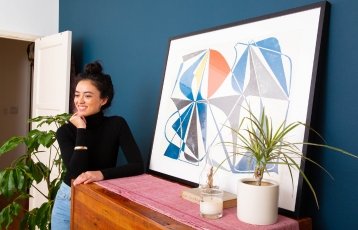
If you’ve never bought original art before, emerging artists are where most people start, and for good reason. The work is affordable, the artists are accessible, and the experience of owning something made by hand is different from anything else you’ll put on your walls. Emerging art puts you inside the story rather than in front of it. And once you understand what that means, it’s hard to go back to anything else.
What 'Emerging' Art Actually Means
First, a clarification, because the word is often misunderstood. Emerging art doesn’t mean untrained or unproven. It doesn’t mean you’re taking a chance on someone who hasn’t figured out what they’re doing yet. The artists whose work hangs in museums and commands five-figure prices were, at some point, exactly where today’s emerging artists are now.
The category is about market position, not quality. Emerging artists are typically in the first decade or so of their professional practice, and that can be at any age. Many have MFAs, residency experience, or group show history. The question isn’t whether they’re good, but rather if you’re paying attention early enough.

The Emotional Case
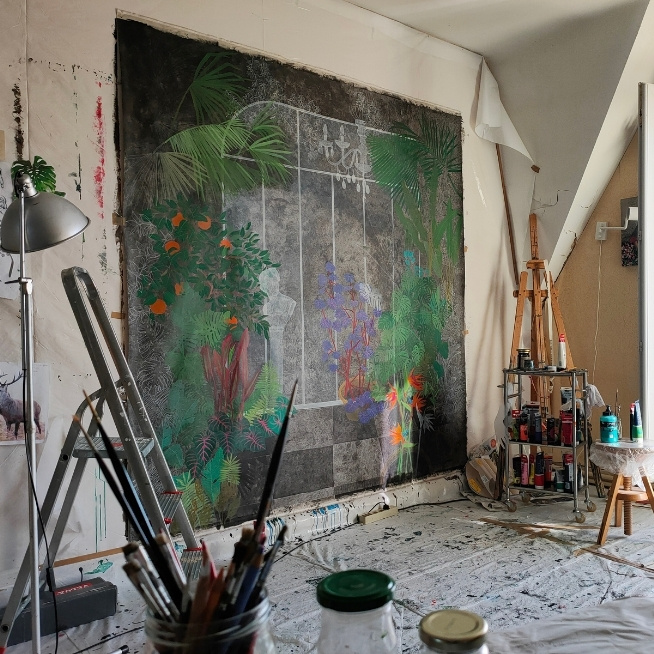
Buying from an artist on the rise means connecting to a piece of someone’s vision while they’re still building it. The work isn’t a finished statement from a complete career. It’s a window into how someone sees the world, in the middle of a perspective still forming. You found it. You recognized something in it that stopped you. That recognition, between your eye and their vision, is what makes it unlike anything else you could put on your walls. And because the artist’s style and perspectives are evolving, the artwork exists inside an ongoing conversation rather than as a fixed historical artifact.
Unlike buying secondhand or from an artist whose career is already fully formed, buying emerging art leads to a direct connection. The person who made what’s on your wall knows it has found a home. You may even get to know the artist—visit their studio or follow the work as it develops. That proximity is only available at this stage.
And yes, there’s the rush of discovery. Finding someone’s work before the rest of the world has caught on is genuinely exciting.
Herbert and Dorothy Vogel understood this. They were just ordinary people—a mailman and a librarian—in a one-bedroom apartment in New York, buying work they could carry home on the subway. They weren’t wealthy, but they were paying attention. Their collection was assembled piece by piece from artists who were still unknown, many of whom became their close friends. They amassed one of the most important private collections of the 20th century, which now resides at the National Gallery. And all it took was showing up early.
The Financial Case
The emotional rewards are real, but so are the practical ones. The market is showing a real energy for supporting emerging art. As of 2025, 72% of collectors preferred emerging artists over established names.
When you buy from an emerging artist, the money goes directly to helping them create the art you love. One sale can fund their studio or materials for their next project. It buys them time —the thing artists need most and have least of, especially early in their careers. 73% of emerging artists work additional jobs to sustain their practice. Your purchase enables creatives to keep doing what they love.
And emerging art starts at a price point that is most accessible for budding collectors. Original paintings by emerging artists can start under $500 if you know where to look. For that, you get a one-of-a-kind piece no one else has.
Your purchase can also send a signal beyond the studio. Supporting emerging artists may garner gallery attention and bring other collectors into the conversation. Purchases help garner curatorial interest. In other words, your participation has weight. The ripple effect of a single purchase extends well beyond what you paid and where the piece ends up hanging.
The Cultural Case
Zoom out further, and the stakes get bigger still.
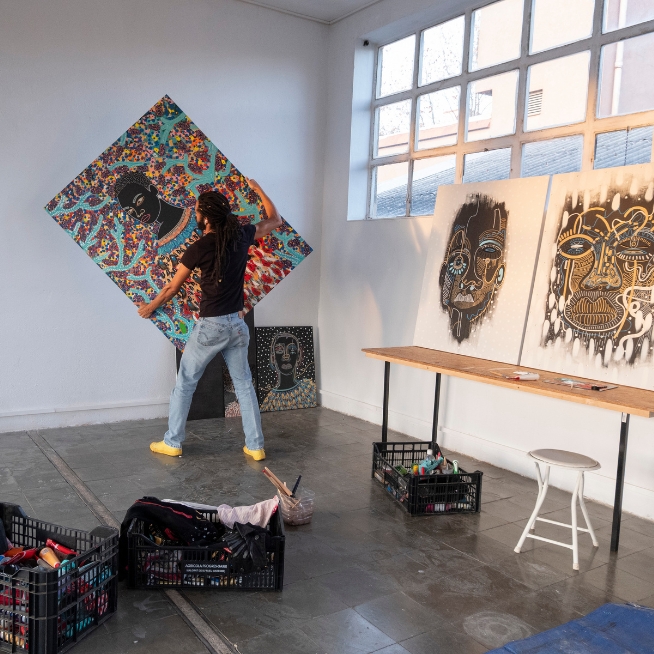
Emerging artists shape contemporary culture in real time. They’re the ones addressing the issues the established market hasn’t yet caught up to—climate, identity, social justice, taboos. Underrepresented artists also tend to find their earliest collectors here. The diversity of the next generation of the art world depends on who gets supported now. When you support them, you’re helping ensure those voices get a platform. A collection built around emerging artists helps shape what comes next.
Discover Emerging Artists
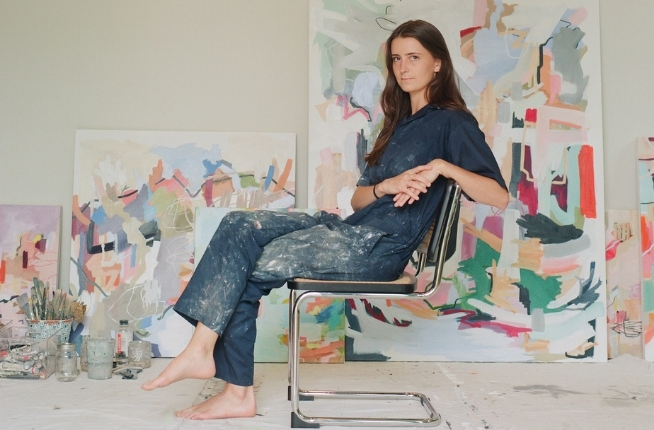
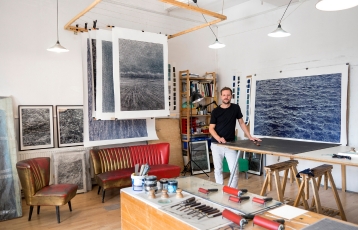
Uncover recent art school graduates on our radar.